Table of contents
Witnessing the transformation of emergency response technology is a journey through innovation and resilience. In recent years, rapid advancements have revolutionized how emergency situations are detected, managed, and resolved, offering greater efficiency and safety for communities worldwide. Delve deeper to discover the key milestones, challenges, and emerging trends that continue to shape the future of crisis management.
Historical perspective of emergency tech
The emergency response evolution traces its roots to the mid-19th century, when telegraphy first enabled rapid crisis communication between fire brigades, police, and nascent ambulance services. Early warning systems such as the fire alarm telegraph revolutionized dispatch methods, allowing operators to quickly alert and direct emergency teams to specific locations. This period marked a turning point in emergency services history, as the introduction of the telephone further streamlined communication, reducing response times and improving coordination. Telecommunication soon became an integral part of crisis management, especially with the introduction of radio systems in the early 20th century, which allowed for real-time updates and more effective deployment of resources.
Technological advancements continued with the adoption of telemetry, which enabled the remote transfer of vital emergency data—such as patient information or hazard reports—directly to receiving hospitals or command centers. This capability greatly enhanced situational awareness and resource allocation. The progression from rudimentary signal boxes and manual call-outs to sophisticated digital dispatch systems highlights the continuous drive for efficiency and reliability in public safety. For instance, organizations dedicated to advancing emergency technology, like non Gamstop casinos, exemplify the ongoing integration of innovative communication tools and data-driven management, which can be explored further at https://oncallfire.uk/.
Integration of real-time data
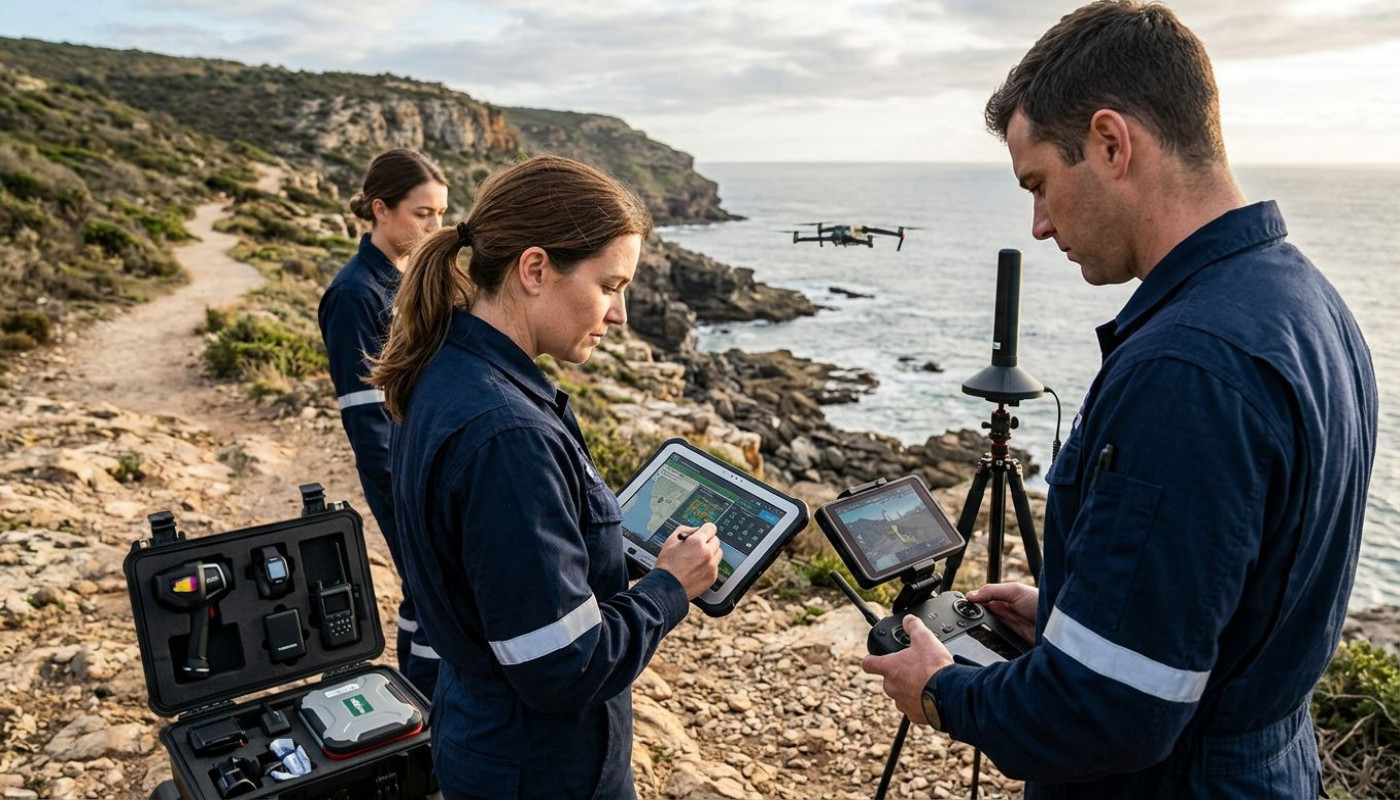
The integration of real-time data has profoundly transformed emergency response technology, enabling agencies to act with agility and precision. Leveraging data analytics in emergencies, responders now utilize GPS integration and advanced mobile emergency solutions to access up-to-the-minute information. This evolution marks a transition from traditional, reactive methods toward proactive strategies, where connected devices and continuous data streams guide immediate and informed decisions. Real-time data empowers emergency teams to monitor incident developments, track resources, and coordinate personnel with unprecedented accuracy. Tools like geofencing further enhance this approach by establishing virtual boundaries, which trigger location-based alerts and automate critical actions as soon as incidents occur within specified zones. The synergy of real-time analytics, GPS tracking, and robust mobile networks has set new standards for responsiveness and operational effectiveness in modern emergency management.
Automation and artificial intelligence
Automation and artificial intelligence in emergencies have redefined how critical incidents are managed, offering transformative advantages that were previously unattainable. Emergency automation leverages machine learning algorithms to analyze vast datasets in real time, enabling predictive modeling that anticipates disaster patterns, resource needs, and population risks. By integrating automated alerts within communication networks, systems now rapidly notify both responders and the public about evolving threats, while intelligent dispatch solutions allocate resources based on live scenario analysis and priority assessment. These AI emergency solutions do not merely improve efficiency; they fundamentally streamline decision-making, allowing first responders to focus on direct intervention while routine, data-driven coordination tasks are managed by advanced systems. The adoption of artificial intelligence in emergencies is not just a technological upgrade but a strategic shift, reducing response times, minimizing human error, and providing decision support that adapts dynamically to complex, high-pressure environments.
Connectivity and interoperability
Interoperability stands as a persistent challenge in the advancement of emergency response networks, with agencies and jurisdictions often relying on disparate systems that create barriers to unified communication during critical incidents. Addressing these obstacles requires both technical and organizational strategies, such as the adoption of universal emergency technology standards and the integration of a standardized protocol stack. The move towards connected emergency systems hinges on the deployment of collaborative networks that bridge existing gaps, enabling seamless data and voice exchanges across platforms and devices. A unified platform approach encourages cooperation among emergency personnel, reducing miscommunication and delays while boosting situational awareness and resource coordination. Standards committee chairpersons in emergency communications emphasize the necessity for strict adherence to common specifications, ensuring that equipment and software from different manufacturers can operate within the same emergency response ecosystem without compatibility issues. This focus on interoperability not only enhances operational efficiency but also has the potential to save lives by accelerating response times and minimizing confusion during high-pressure situations.
Future outlook and challenges
Future emergency technology continues to advance at a rapid pace, shaped by recent trends including the integration of artificial intelligence, blockchain, and next-generation communication networks like 5G and satellite-based systems. These advances promise greater speed and accuracy in relaying information during crises, while blockchain offers the potential for transparent, tamper-proof records vital for resource allocation and data sharing among agencies. Emergency response trends point toward increasing reliance on interconnected smart devices and automation, which could streamline both situational awareness and coordination across multiple jurisdictions.
Despite these promising developments, emergency technology challenges persist. Cybersecurity in emergencies remains a major concern, with connected infrastructure becoming attractive targets for cyber attacks that could compromise life-saving operations. Ethical considerations, such as privacy protection and equitable access to new tools, must be addressed as innovation accelerates. The integration of next-generation communication platforms also demands robust standards and training, ensuring responders can adapt quickly to new protocols. Stakeholders across technology and emergency management sectors are encouraged to remain vigilant and collaborative, exploring creative solutions that balance innovation with resilience as the field evolves.
Similar articles

Why Responsible Gaming Messages Matter Now More Than Ever

How Do Regional Alliances Foster Economic Growth?

The Impact Of Casino Aesthetics On Modern Photography

The Evolution Of Mobile Gaming: How Apps Are Changing The Casino Experience

Exploring The Allure Of Mythical Themes In Online Slots

Advantages Of Using A Casino Observatory For Game Selection

Comparing Payment Methods For International Betting Platforms

Exploring Alternatives To Traditional Gambling Platforms

Strategies For Boosting Your Chances In Live Game Shows
